What Is a Palindrome? Meaning, Types, and Examples
What is a palindrome? Learn its meaning, pronunciation, types, and clear examples using words, phrases, names, numbers, dates, and times in simple language.
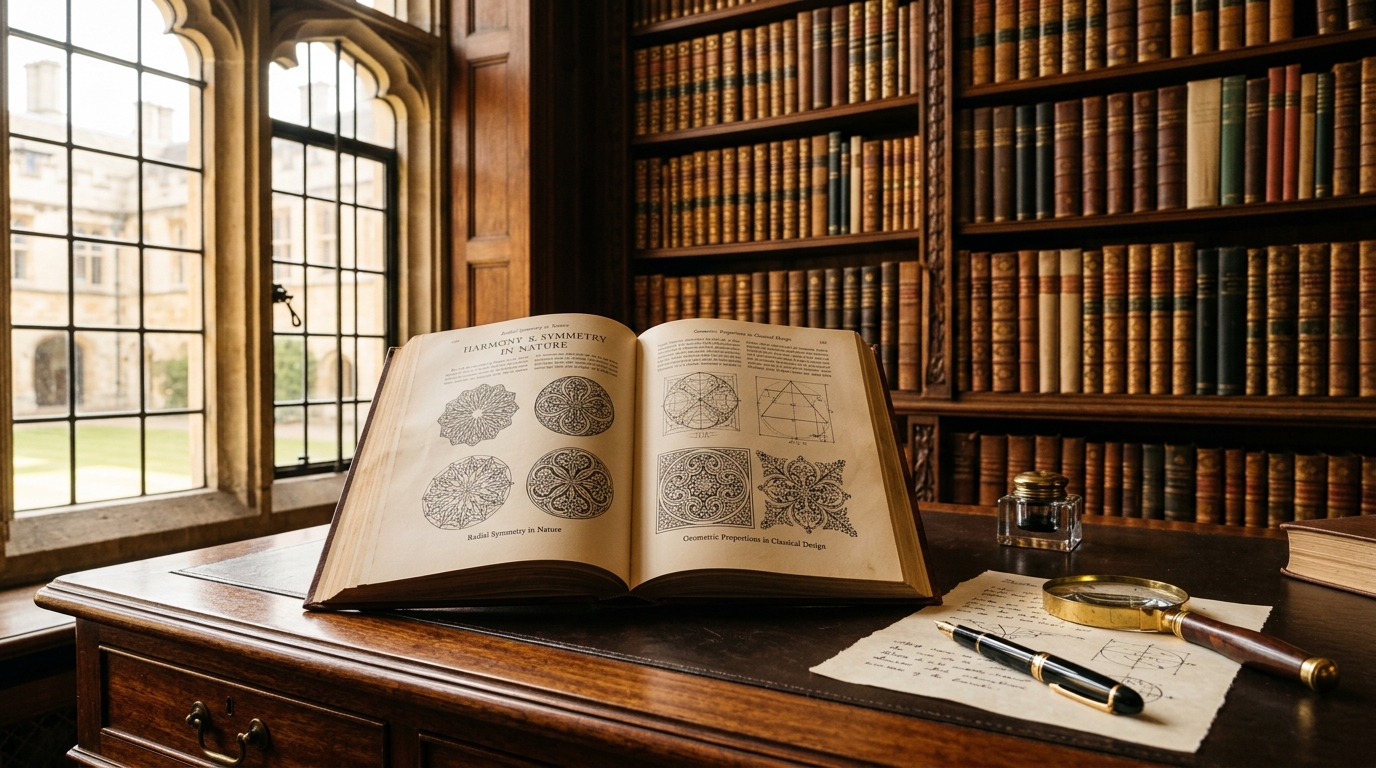
Table of Contents ▼
- Quick Definition
- What Is a Palindrome Made Of?
- Palindrome Examples at a Glance
- The Main Types of Palindromes
- Words
- Phrases and Sentences
- Names
- Numbers
- Dates and Times
- Word-Unit and Line-Unit Palindromes
- How to Identify a Palindrome by Hand
- Where the Word Palindrome Comes From
- Palindrome vs. Other Reversible Wordplay
- How People Create New Palindromes
- Why Palindromes Appear Beyond Word Games
- Common Palindrome Misunderstandings
- Frequently Asked Questions
- What is a palindrome in simple words?
- Do spaces and punctuation count in a palindrome?
- Are all one-letter words palindromes?
- Can a date be a palindrome?
- How do you pronounce palindrome?
- What is the difference between a palindrome and an anagram?
- What is the longest palindrome word?
- The Pattern Behind Every Palindrome
What is a palindrome, and why do words like civic look unusual? A palindrome is a word, number, phrase, or other sequence that remains the same when its order is reversed. The matching pattern may involve letters, digits, words, or even lines, depending on the rule being used.
Short examples are easy to spot, but phrases raise useful questions. Most people ignore spaces, punctuation, and capitalization when checking a sentence. Numbers and dates follow their written digits, so formatting can change the result. Palindromes appear in vocabulary lessons, riddles, names, mathematics, literature, music, biology, and computing. Understanding the core rule makes it easier to recognize which examples truly qualify and which belong to related forms of reversible wordplay.
Quick Definition
A palindrome is a sequence that reads the same forward and backward. Words such as noon, numbers such as 2002, and cleaned phrases such as “Eva, can I see bees in a cave?” qualify because reversing their relevant letters or digits produces the original sequence.
What Is a Palindrome Made Of?
The defining feature is order, not appearance or meaning. Take the word tenet. Reading its letters from left to right gives T-E-N-E-T. Reading from right to left produces the same sequence.
For a single word, every letter normally counts. For a sentence or phrase, the usual convention is to:
- Remove spaces.
- Ignore punctuation marks.
- Treat uppercase and lowercase letters as equal.
- Compare the remaining characters in both directions.
These conventions are common, but they are not automatic laws. A puzzle may require an exact match that keeps spaces or punctuation. A careful definition should state what is being ignored before deciding whether an example qualifies.
The unit of comparison matters too. Most palindromes work letter by letter, but some are built from mirrored words or lines. In each case, the chosen units must appear in the same order after reversal.

Figure 1: Visual and structural symmetry mirrors the bidirectional balance of palindromic sequences.
Palindrome Examples at a Glance
| Type | Example | Why It Qualifies |
|---|---|---|
| Word | civic | The letters match in reverse order |
| Word | stats | The first matches the last, and the second matches the fourth |
| Longer word | redivider | Its nine letters form the same reversed spelling |
| Phrase | “Was it a car or a cat I saw?” | The cleaned letters are identical backward |
| Name | Hannah | Capitalization does not change the letter pattern |
| Number | 7447 | Reversing the digits gives 7447 |
| Date | 02/02/2020 | The digits remain symmetrical when separators are removed |
| Time | 12:21 | The four digits read the same in reverse |
The examples show why palindrome meaning is broader than “a funny word.” Any ordered sequence can qualify if it obeys the same reversal rule.
The Main Types of Palindromes
Words
Word palindromes are the most familiar type. Examples include noon, civic, stats, and tenet. Both even-length and odd-length words can qualify. An odd-length example has one unmatched center letter, while an even-length example has a central pair.
Phrases and Sentences
Longer palindromes often depend on normalized text. “Eva, can I see bees in a cave?” becomes evacaniseebeesinacave after spaces, punctuation, and capitalization are removed. The cleaned sequence reads identically in both directions.
A good sentence palindrome does more than satisfy the pattern. It also communicates a recognizable idea. That combination makes long examples difficult to create and memorable when they work.
Names
Some first names and surnames are palindromic. Hannah, Ada, Otto, and Elle keep the same letter order when reversed. A capital letter at the beginning does not prevent the name from qualifying because palindrome checks usually ignore capitalization.
Numbers
Palindrome numbers preserve their digit sequence. Examples include 11, 2002, 7447, and 9889. The mathematical value is not what creates the pattern. The written representation does. For that reason, the same number written in another numeral system might not remain palindromic.
Dates and Times
A date can be a palindrome after slashes, dashes, or dots are removed. Date format matters because countries arrange day, month, and year differently. 02/02/2020 is an especially clear example because its digits are symmetrical in several common arrangements. Times such as 12:21 and 20:02 also create simple digit palindromes.
Word-Unit and Line-Unit Palindromes
Not every palindrome is checked character by character. A word-unit palindrome mirrors whole words, as in “Cats love people love cats.” A line-unit palindrome can arrange lines in a sequence that returns in reverse order. These forms follow the same principle while changing the size of the unit being reversed.
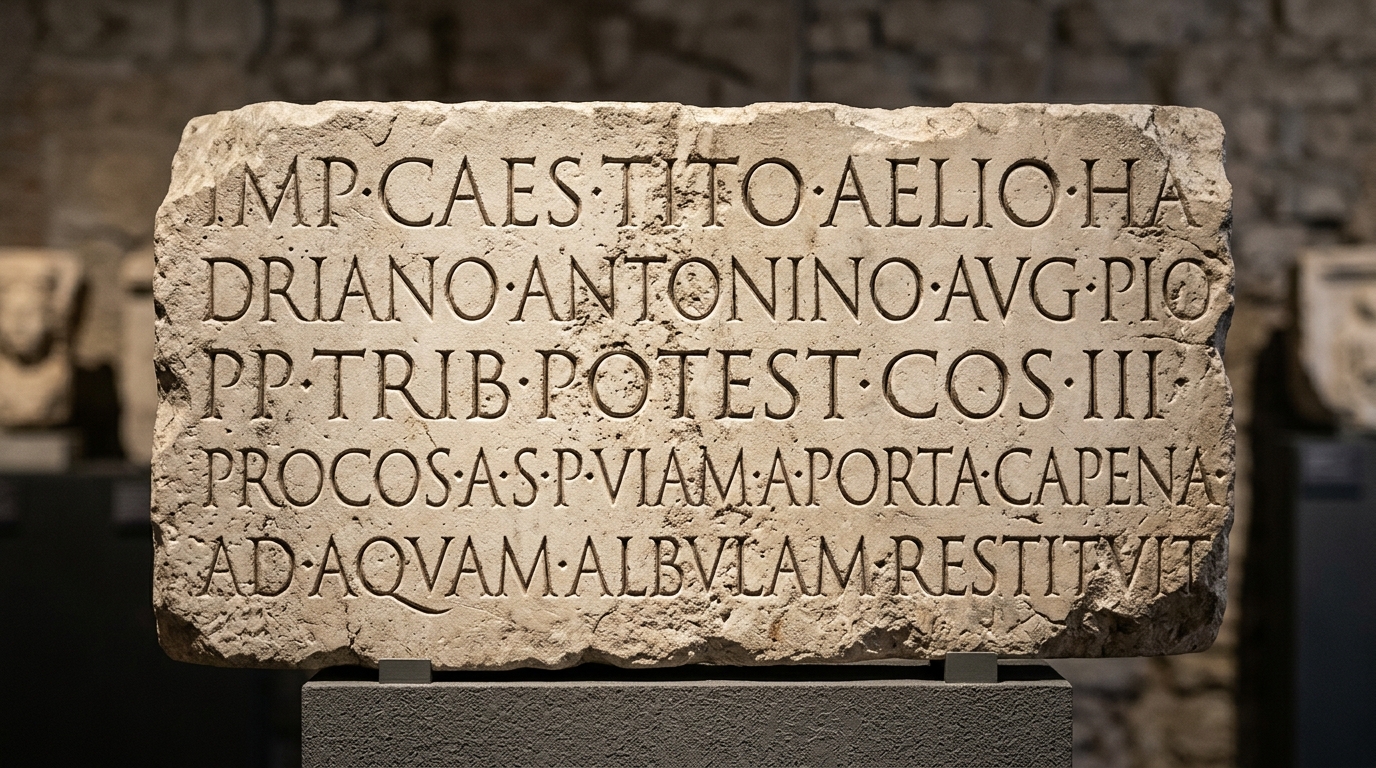
Figure 2: Historical word squares like the Latin Sator Square date back thousands of years.
How to Identify a Palindrome by Hand
Use this quick method for a word, phrase, or number:
- Choose the unit. Decide whether you are comparing letters, digits, words, or lines.
- Normalize the sequence. If the rules permit, remove spaces and punctuation and use one letter case.
- Compare the outer pair. Check whether the first unit matches the last.
- Move inward. Compare the second unit with the second-last, then continue toward the center.
- Stop at the middle. The sequence is palindromic if every pair matches.
For stats, compare S with S, then T with T. The middle A has no partner and does not need one. For 7447, compare 7 with 7 and 4 with 4. One mismatch is enough to disqualify the sequence.
This outside-in test is quicker than rewriting a long phrase backward, and it shows exactly where a failed example loses its symmetry.
Where the Word Palindrome Comes From
The usual American pronunciation is PAL-in-drohm, written approximately as /ˈpæl.ɪn.droʊm/. Stress falls on the first syllable.
The term comes through Greek roots associated with going back or running back again. Palin carries the sense of “again” or “back,” while dromos relates to running or a course. English use of the word dates to the 17th century.
The idea itself is much older than the modern English label. Ancient reversible inscriptions and word arrangements include the Sator Square, a five-by-five Latin word square with several reading symmetries. A word square is not identical to an ordinary one-line palindrome, but it belongs to the same long history of structured reversal and verbal symmetry.
Palindrome vs. Other Reversible Wordplay
Several language patterns are often confused with palindromes.
| Term | What Changes | Example or Explanation |
|---|---|---|
| Palindrome | Nothing after reversal | noon remains noon |
| Semordnilap / Anadrome | Reversal creates a different word | drawer becomes reward |
| Anagram | Letters are rearranged in any order | The new arrangement need not be a reversal |
| Ambigram | Visual design survives rotation or reflection | It depends on letter shapes, not spelling order |
| Mirror writing | Written forms face the opposite direction | The reflected text need not spell the same sequence |
The simplest distinction is this: a palindrome must equal its own reverse. If stressed becomes desserts, the pair is clever, but neither word is a palindrome. They form a semordnilap pair because the reversal creates a different valid word.
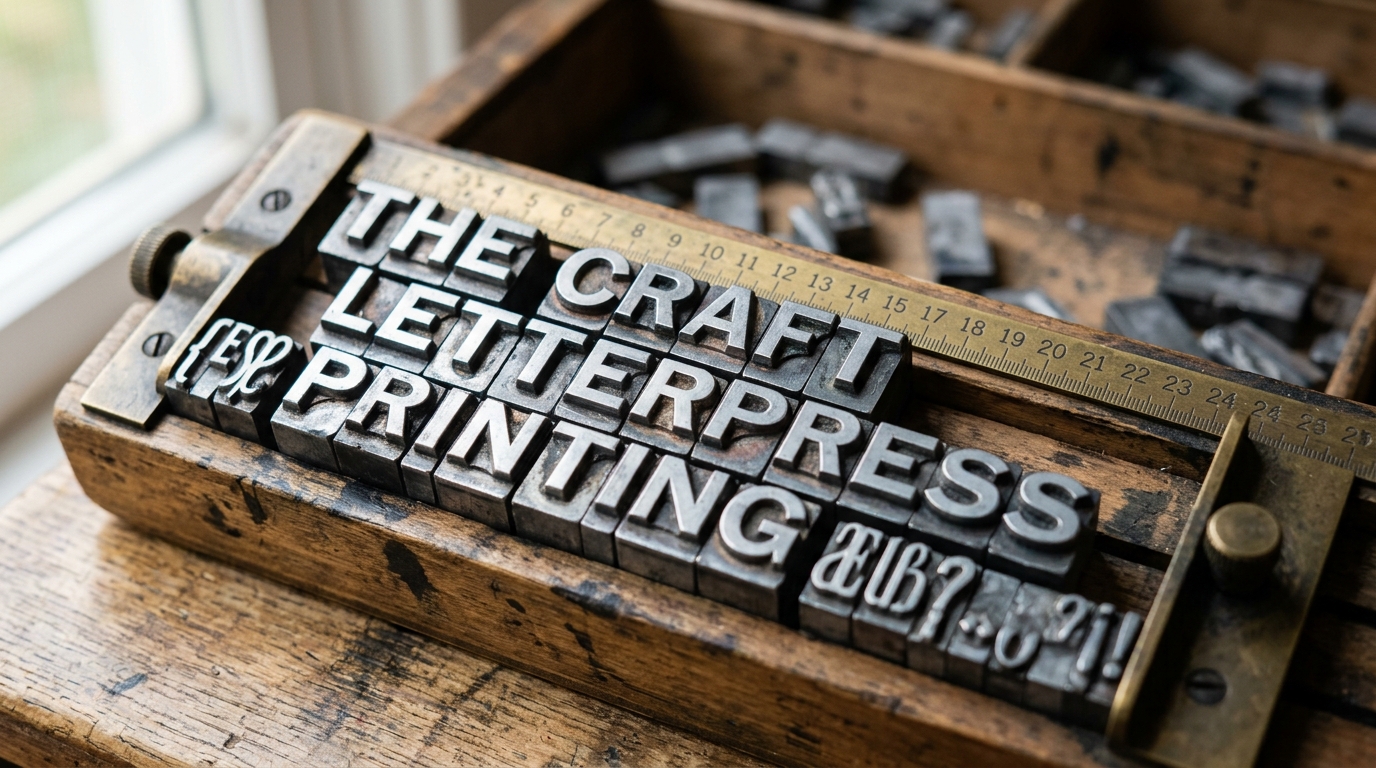
Figure 3: Typesetting movable type blocks reflects how characters are mirrored and reversed in print.
How People Create New Palindromes
Short palindrome words are usually discovered rather than invented, but longer phrases can be constructed deliberately. Many writers begin near the center and work outward. Each new letter or word added on one side creates a matching requirement on the other.
For an odd-length design, choose a central letter, word, or idea and add mirrored units around it. For an even-length design, begin with a matching central pair. Phrase writers often create the raw symmetrical letter sequence first, then adjust spaces and punctuation to produce readable language.
Meaning makes the task difficult. Random mirrored letters are easy to generate, but a sentence must also follow grammar and communicate something understandable. That is why compact, natural-sounding palindrome sentences feel more impressive than longer strings with little sense.
Why Palindromes Appear Beyond Word Games
Palindromes attract attention because symmetry is easy to recognize and satisfying to solve. Teachers use them for spelling, reading, and pattern exercises. Puzzle makers use them as clues, while writers treat them as a form of constrained language.
Related structures also appear in other fields:
- Music: Can place notes or sections in retrograde order.
- Genetics: In DNA, a palindromic sequence usually involves reverse-complement symmetry across paired strands, which is more specific than simply reversing an English word.
- Computer Science: Uses palindrome tests as fundamental exercises in sequence comparison, algorithmic efficiency, and memory management.
These uses share an interest in reversal, even though their technical definitions may differ.
Common Palindrome Misunderstandings
- A word is not a palindrome merely because its reverse is another real word.
- An anagram does not need to preserve reverse order.
- Spaces and punctuation are usually ignored in phrases, but the chosen rule should be stated.
- A date may work in one regional format and fail in another.
- Visual symmetry does not automatically create spelling symmetry.
- Claims about the longest palindrome word depend on which dictionaries, proper names, technical terms, and invented words are allowed.
These distinctions help prevent a broad idea of “something reversible” from replacing the exact palindrome definition.
Frequently Asked Questions
What is a palindrome in simple words?
A palindrome is something that stays the same when its order is reversed. It may be a word, name, number, phrase, or another sequence. Noon and 2002 are simple examples because reversing their letters or digits produces the original form.
Do spaces and punctuation count in a palindrome?
They usually do not count in phrase and sentence palindromes. Writers commonly remove spaces, punctuation, and differences in capitalization before checking the letters. However, a strict puzzle can set different rules, so the expected comparison method should be clear.
Are all one-letter words palindromes?
Yes, under the standard sequence definition. A single character reads the same forward and backward because reversing it cannot change its position. The same reasoning applies to any one-digit number.
Can a date be a palindrome?
Yes. A date is palindromic when its written digits remain the same in reverse after separators are removed. The result can depend on whether the format places the day, month, or year first, so not every palindrome date works internationally.
How do you pronounce palindrome?
In American English, palindrome is commonly pronounced “PAL-in-drohm,” with the stress on the first syllable. The final part rhymes approximately with “home.”
What is the difference between a palindrome and an anagram?
A palindrome must match its exact reversal. An anagram only needs to reuse the same letters in a different arrangement. Every palindrome has a controlled symmetrical order, while an anagram can rearrange letters freely.
What is the longest palindrome word?
There is no single uncontested answer. The result changes depending on whether a list allows rare vocabulary, technical terms, dialect words, proper names, or invented forms. Redivider is a familiar nine-letter example, but longer and less common candidates exist in technical dictionaries.
The Pattern Behind Every Palindrome
Once you know what is a palindrome, the many examples share one simple idea: the chosen sequence must survive reversal unchanged. The sequence might contain letters, digits, words, or lines, and phrases may ignore formatting. Define the comparison rules first, then check matching units from the outside toward the center.
Check Your Own Words & Numbers
Test any word, sentence, date, or number with our interactive palindrome tool. Automatically normalizes punctuation, spaces, and casing.
Related Articles
Explore more in-depth guides and analysis.

Palindrome Program in Java: How to Check a Palindrome With Examples
Learn how to build a palindrome program in Java for numbers and strings using loops, StringBuilder, two pointers, and recursion.
Palindrome Python Guide: Check Strings and Numbers
Learn palindrome Python methods for strings and numbers using slicing, loops, functions, recursion, text normalization, and practical examples for beginners.
Numbers That Are Palindromes: Examples, Patterns, and Facts
Learn which numbers are palindromes, see clear examples and digit patterns, count them by length, and understand primes, squares, zero, and key rules.